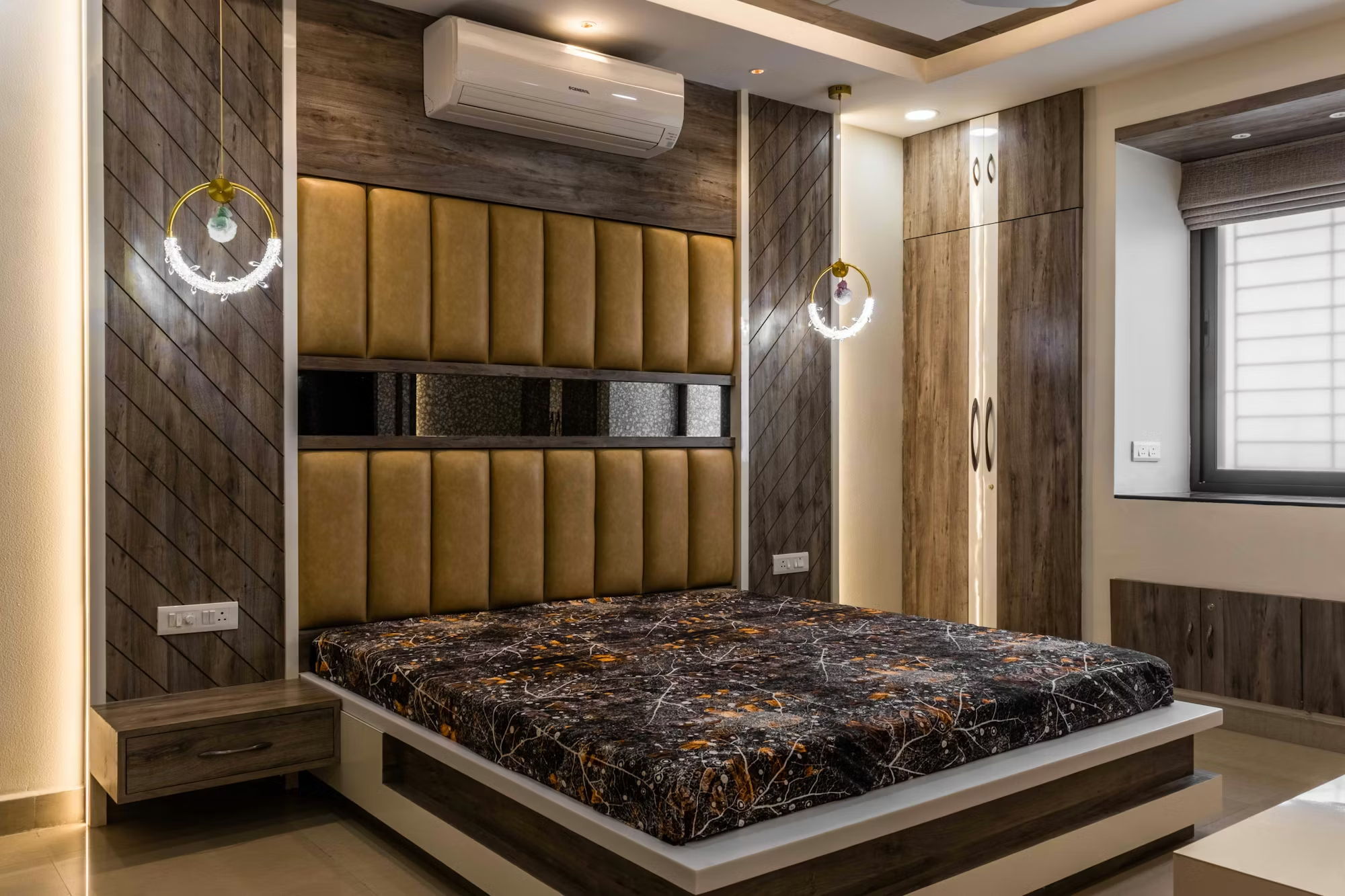
Minimalism is more than just a design trend; it’s a lifestyle choice that emphasizes simplicity, functionality, and intentionality. Originating as a reaction against consumerism and clutter, minimalism has gained popularity for its ability to create serene environments that promote clarity and mindfulness. In this article, we will explore the key principles of minimalism, its benefits, and practical tips for transforming your home into a tranquil sanctuary.
Understanding Minimalism
At its core, minimalism advocates for the intentional removal of excess. This philosophy encourages individuals to focus on what truly matters, whether it’s the objects in their homes or their daily routines. Minimalist design emphasizes clean lines, open spaces, and a restrained color palette, creating an environment that feels calm and organized.
Key Principles of Minimalist Design
1. Less is More: One of the foundational tenets of minimalism is the idea that less is more. This principle encourages you to simplify your surroundings by eliminating unnecessary items. By focusing on quality over quantity, you can create spaces that feel more open and inviting.
2. Functional Aesthetics: In minimalist design, every item should serve a purpose. Furniture and decor should not only be visually appealing but also functional. This approach ensures that each piece contributes to the overall utility of the space, allowing for a harmonious balance between form and function.
3. Neutral Color Palettes: Minimalist spaces typically feature neutral color schemes, including whites, grays, and beiges. These colors create a sense of tranquility and make it easier to highlight key design elements. While the base colors remain subdued, accents can be introduced through artwork or decor items to add personality without overwhelming the space.
4. Open Spaces: A hallmark of minimalist design is the emphasis on open spaces. By minimizing clutter and maximizing airflow, these areas feel more expansive and less chaotic. This openness encourages relaxation and enhances the overall atmosphere of the home.
5. Natural Light: Embracing natural light is essential in minimalist design. Large windows and light-filtering curtains can help illuminate the space, creating a bright and airy environment. The careful arrangement of furniture can also enhance the flow of light, making rooms feel even more spacious.
Benefits of Minimalism
1. Clarity and Focus: Minimalism fosters clarity by reducing distractions. A decluttered environment allows for better focus and mindfulness, making it easier to concentrate on tasks or enjoy moments of relaxation.
2. Enhanced Well-Being: Studies suggest that minimalism can contribute to improved mental health. By creating a peaceful living space, individuals often experience reduced stress and anxiety. The simplicity of minimalist design promotes a sense of calm and balance in daily life.
3. Increased Productivity: A clean and organized environment can lead to increased productivity. With fewer distractions, it becomes easier to complete tasks efficiently. Minimalist spaces encourage a sense of purpose, making it simpler to maintain focus on priorities.
4. Sustainable Living: Minimalism aligns with sustainable practices by encouraging individuals to buy less and choose quality over quantity. This approach not only benefits the environment but also leads to more mindful consumption habits, fostering a greater appreciation for the things you own.
Tips for Creating a Minimalist Home
1. Start Small: Begin your minimalist journey by decluttering one room or area at a time. Take inventory of your belongings and assess what you truly need and cherish. This process can be overwhelming if tackled all at once, so break it down into manageable tasks.
2. Adopt the One-In, One-Out Rule: To maintain a minimalist environment, consider adopting the one-in, one-out rule. For every new item you bring into your home, let go of an existing item. This practice helps prevent clutter from accumulating and encourages thoughtful purchasing decisions.
3. Choose Multi-Functional Furniture: When selecting furniture, opt for pieces that serve multiple purposes. For example, a sofa bed can accommodate guests while providing a comfortable seating area. Look for storage ottomans or coffee tables that can double as storage solutions, maximizing functionality in your space.
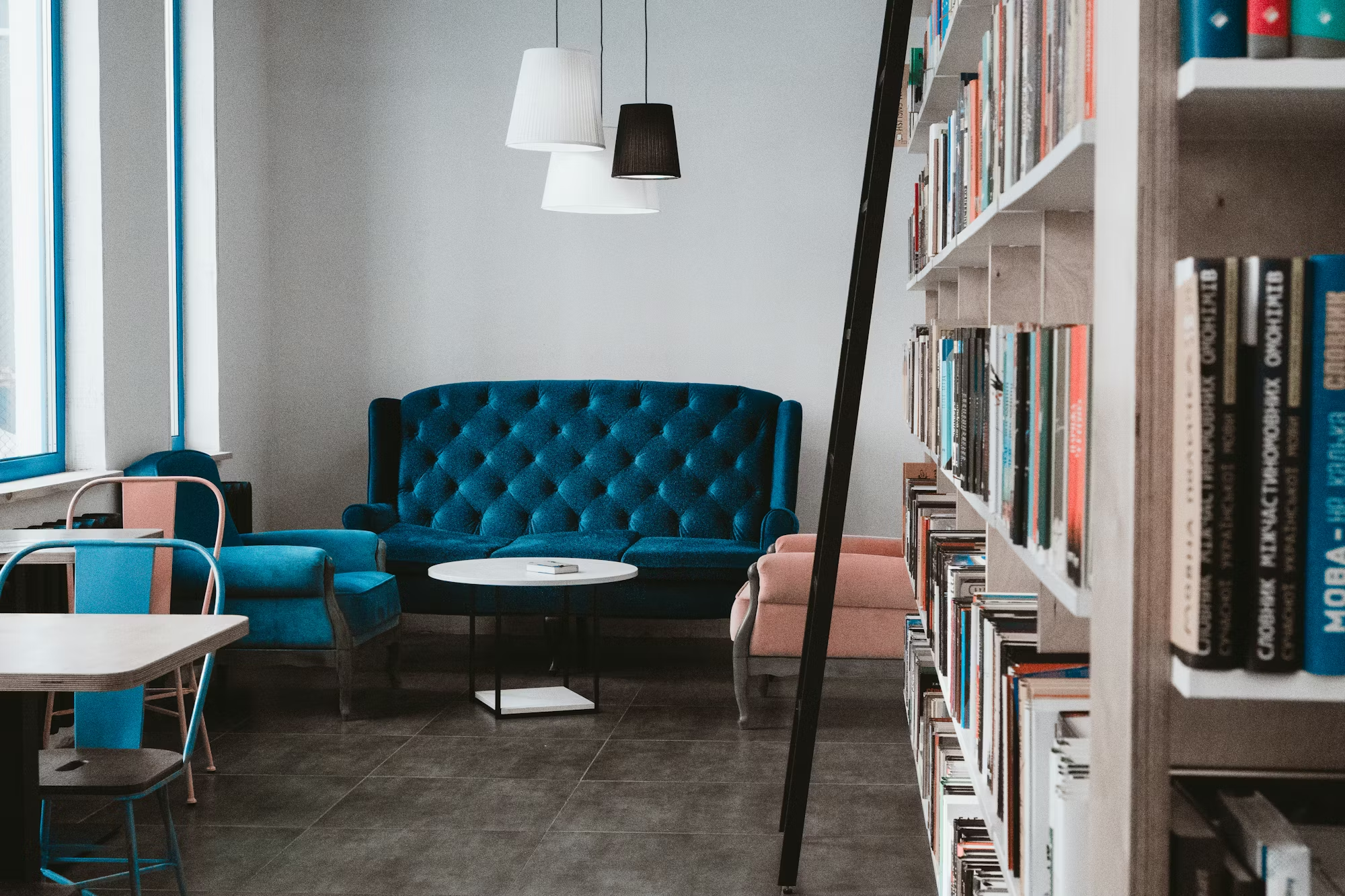
4. Embrace Open Shelving: Instead of closed cabinets, consider open shelving to display curated collections or essential items. This approach not only creates a visually appealing focal point but also encourages you to keep only what you truly love and use.
5. Keep Surfaces Clear: Strive to maintain clear surfaces throughout your home. Limit decorative items to a few carefully selected pieces that resonate with you. A clear countertop or coffee table creates a sense of calm and allows for easy cleaning and organization.
6. Focus on Quality Decor: Invest in high-quality decor items that reflect your style and values. Choose artwork, plants, or decorative pieces that bring you joy and enhance the overall aesthetic of your space. This focus on quality ensures that your home feels cohesive and intentional.
7. Incorporate Natural Elements: Introduce natural elements into your minimalist design. Plants, wood, and stone can add warmth and texture to your space while maintaining the simplicity that defines minimalism. Consider using plants as focal points to enhance the serenity of your environment.
Conclusion
Minimalism is a powerful design philosophy that promotes clarity, focus, and well-being. By embracing simplicity and intentionality, you can create a serene living space that fosters mindfulness and enhances your overall quality of life. Through thoughtful design choices, such as functional furniture, neutral palettes, and natural light, you can transform your home into a tranquil sanctuary. As you embark on your minimalist journey, remember that every small step towards simplicity can lead to greater peace and fulfillment in your daily life.