In the realm of home design, the importance of creating functional spaces cannot be overstated. As lifestyles evolve, the way we use our homes changes, making it essential to consider how each room serves its purpose. Thoughtful room design not only enhances comfort and usability but also adds significant value to a property. This article delves into the various residential spaces, highlighting key design principles that can elevate the functionality and aesthetic appeal of the home.
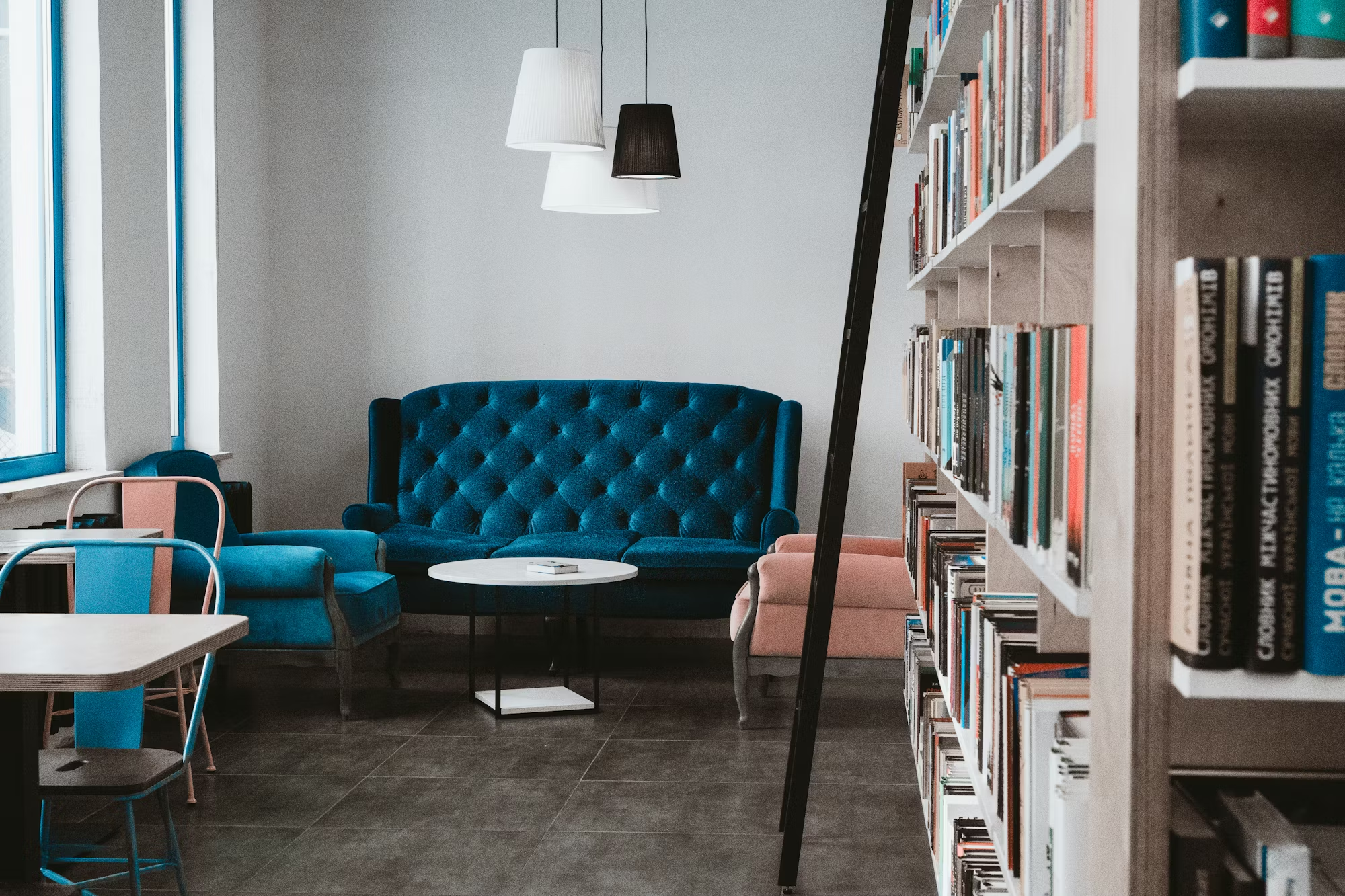
The living room is often the first space that guests encounter, making it a critical area for effective design. As a communal gathering place, the living room should promote comfort and encourage interaction. Selecting furniture that strikes a balance between style and comfort is vital; options like cozy sofas, stylish accent chairs, and inviting coffee tables can create an engaging atmosphere. Additionally, open layouts that connect the living room with other areas, such as the dining room or kitchen, foster a sense of unity, allowing for seamless flow during gatherings.
Incorporating natural light is another crucial element. Large windows or glass doors can open up the space, making it feel larger and more inviting. Choosing soft, neutral colors for walls and furnishings can enhance the room’s brightness, while decorative accents like vibrant artwork or plants can add personality and warmth. Layered lighting—consisting of ambient, task, and accent lights—can further enhance the atmosphere, allowing for various moods depending on the occasion.
Transitioning from the living room to the kitchen, we find another space where thoughtful design plays a pivotal role. The kitchen is often considered the heart of the home, serving as a hub for cooking, dining, and socializing. A functional kitchen should be well-organized, featuring high-quality appliances, ample counter space, and efficient storage solutions. The layout should facilitate movement, with the work triangle—comprising the stove, sink, and refrigerator—optimized for efficiency.
Current design trends lean toward open-concept kitchens that seamlessly integrate with dining and living spaces. This layout not only enhances the flow of the home but also encourages social interaction. Incorporating an island can provide additional prep space and a casual dining area, making the kitchen more versatile. To elevate the aesthetic, homeowners can opt for stylish backsplashes, trendy cabinet finishes, and modern fixtures that combine form and function.
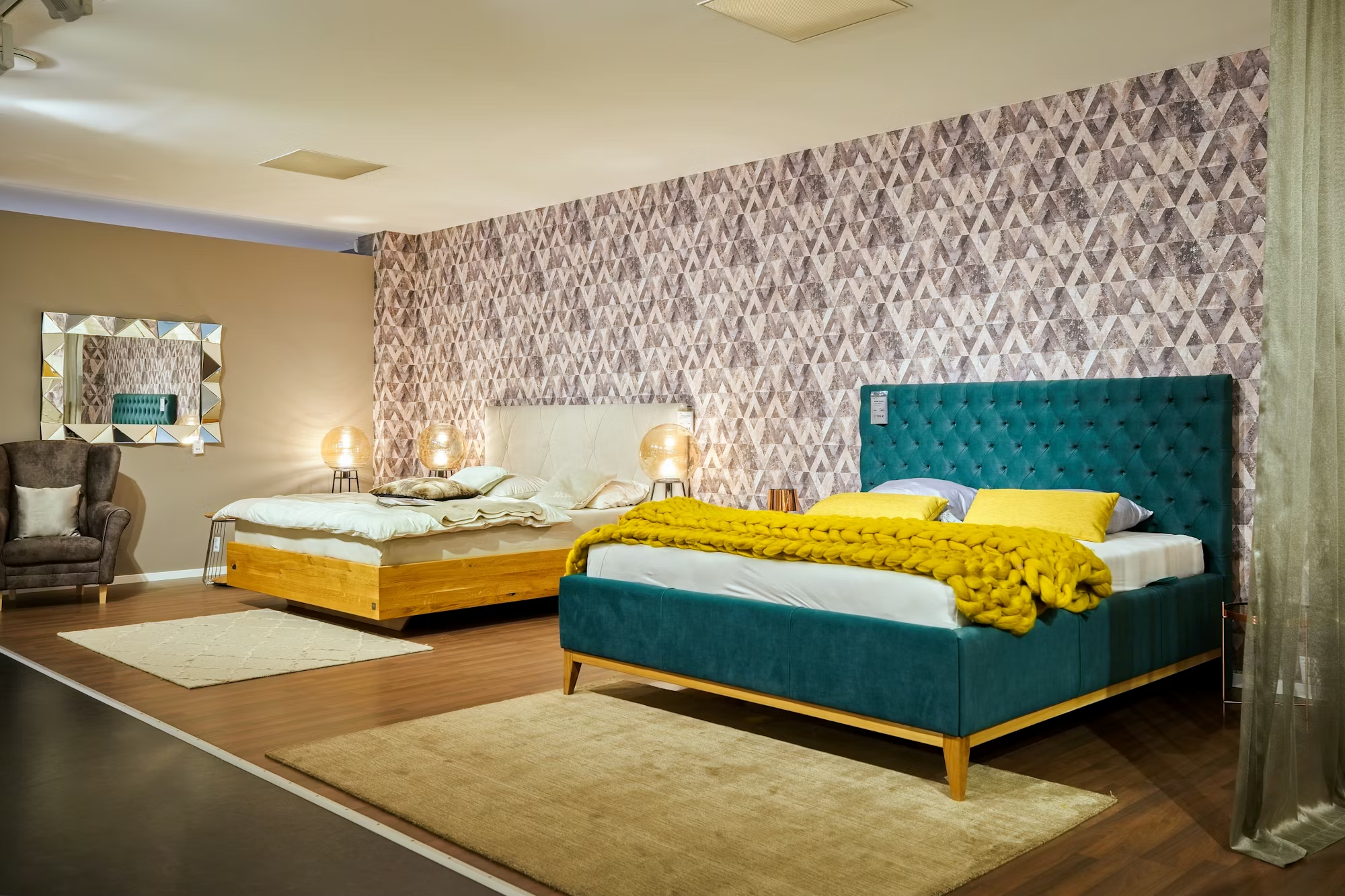
Moving into the bedroom, this space serves as a personal sanctuary for rest and relaxation. A well-designed bedroom should evoke a sense of tranquility and comfort. Choosing a soothing color palette, incorporating soft textiles, and maximizing natural light can create a peaceful retreat. Furnishing the room with essential pieces, such as a comfortable bed, bedside tables, and storage solutions, is essential for maintaining an organized and inviting atmosphere.
Personal touches—such as photographs, artwork, and decorative elements—can enhance the room’s character and make it feel more like home. A well-placed area rug can anchor the space, while window treatments that allow for flexibility in light control can enhance comfort. Additionally, creating a cozy reading nook or incorporating seating can add functionality and make the bedroom a multifunctional space.
The bathroom is another essential area where design can significantly impact functionality and appeal. A well-designed bathroom should prioritize both comfort and practicality. Key features, such as modern fixtures, adequate storage, and stylish finishes, can transform this space into a spa-like retreat. Investing in high-quality materials, like marble countertops and elegant tile work, can elevate the bathroom’s aesthetic, attracting potential buyers who value luxury and comfort.
Incorporating features such as double sinks, walk-in showers, and soaking tubs can enhance the bathroom’s usability, making it a highly desirable space in the home. Thoughtful storage solutions, such as built-in cabinets and shelving, can keep the area organized while maintaining a clean and streamlined appearance. These design choices not only enhance everyday functionality but also contribute to the overall value of the home.
The dining room, often regarded as a space for formal meals and gatherings, deserves careful consideration in design. A well-appointed dining area can create an inviting atmosphere for family and friends to connect over shared meals. Choosing a large dining table paired with comfortable chairs can set the stage for memorable gatherings. If the dining room is adjacent to the kitchen, it promotes interaction and allows for seamless hosting.
Decorative elements such as statement lighting, elegant table settings, and wall art can enhance the dining experience. Utilizing large windows or sliding doors can create a connection to outdoor spaces, allowing for al fresco dining and extending the entertaining area. By investing in the design of the dining room, homeowners can create a space that fosters connection and enhances the overall functionality of the home.
As more people embrace remote work, the need for a dedicated home office has become increasingly important. A well-designed office should prioritize productivity, featuring essential elements such as a comfortable desk, ergonomic chair, and adequate storage for documents and supplies. Natural light is key; well-placed windows can create a bright and energizing atmosphere, while thoughtful decor can enhance focus and creativity.
Incorporating personal touches, such as artwork or inspirational quotes, can make the office feel inviting and unique. An organized and functional home office not only improves productivity but also adds to the overall appeal of a property, especially for buyers seeking to accommodate a remote work lifestyle.
For health-conscious homeowners, a dedicated home gym is an attractive feature that can significantly enhance property value. This space should be designed to accommodate a variety of fitness activities, from cardio to strength training. Choosing appropriate flooring, such as rubber or foam, can ensure safety and comfort during workouts.
Incorporating mirrors can create an illusion of more space while also serving a practical purpose during exercises. The design can extend beyond traditional equipment to include areas for yoga, meditation, or other wellness practices, appealing to buyers who prioritize a healthy lifestyle. A well-equipped and inviting home gym not only encourages fitness but also represents a commitment to well-being, a valuable asset in today’s market.
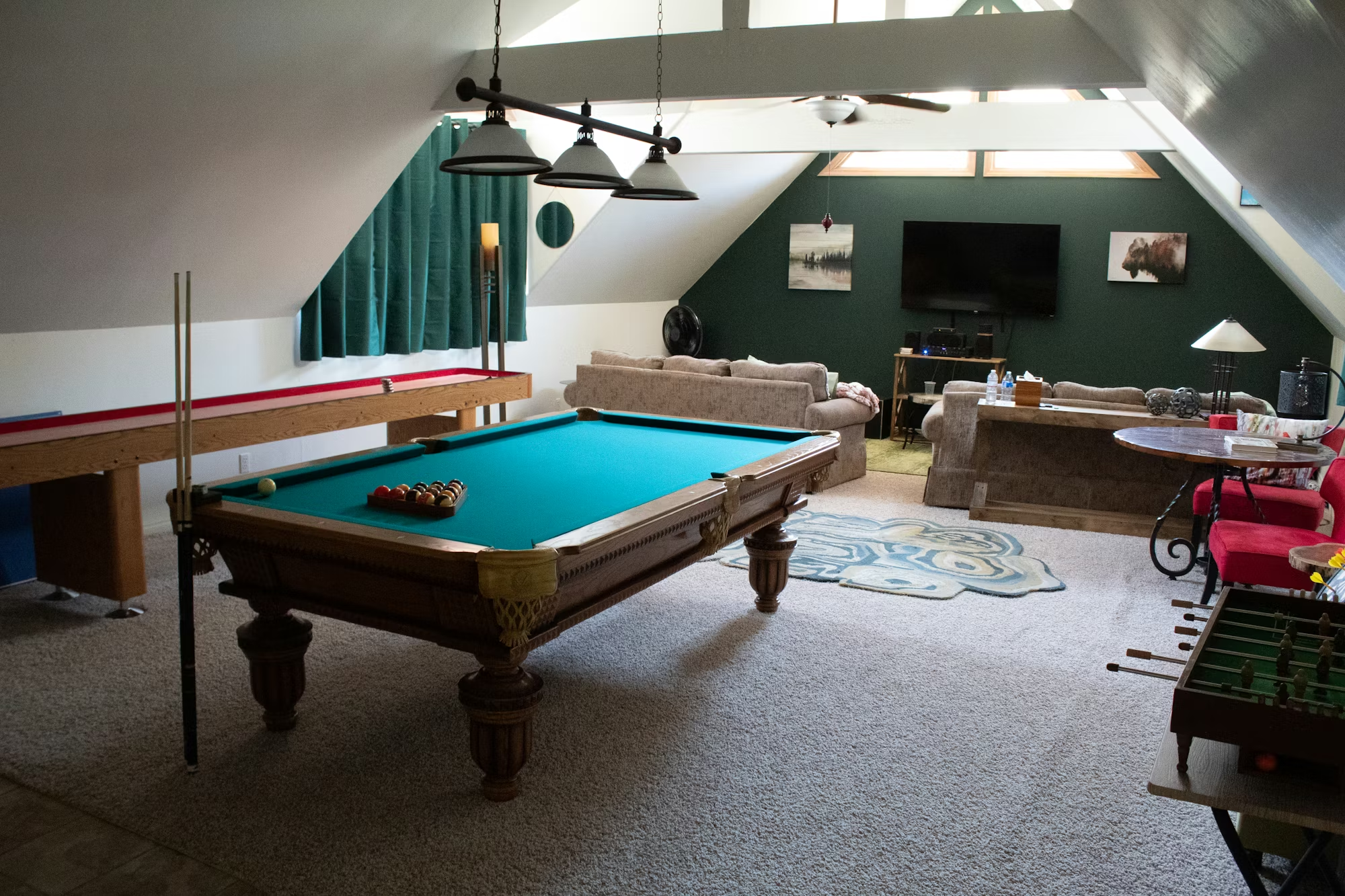
For families with children, a playroom or designated activity space is invaluable. This area should be designed to inspire creativity and provide a safe environment for play. Utilizing durable furnishings, ample storage for toys, and colorful decor can make the playroom both functional and fun. Incorporating safety features, such as soft edges on furniture and childproof storage, can enhance the playroom’s appeal to families.
A well-designed playroom can also demonstrate to potential buyers that the home is family-friendly, adding to its overall value. By creating an engaging space for children, homeowners can foster development and create lasting memories, making the home more appealing to families looking for their perfect fit.
Finally, a guest room offers a comfortable space for visitors and can be a strong selling point for any home. This room should be furnished with quality bedding, nightstands, and lighting to ensure guests feel welcome and comfortable during their stay. Thoughtful touches, such as extra towels and a small seating area, can enhance the guest experience and leave a lasting impression.
Creating a guest room that balances comfort and versatility ensures that it meets the needs of visitors while also offering the potential for use as a multi-purpose space, such as an office or hobby room when not occupied. This flexibility can be particularly appealing in today’s market, where buyers often seek adaptable living spaces.
In conclusion, thoughtful room design is essential for maximizing both comfort and value in modern homes. From the living room and kitchen to bedrooms and dedicated workspaces, each area contributes uniquely to the overall appeal and functionality of a property. By focusing on key design elements that enhance usability, aesthetics, and personal style, homeowners can create inviting spaces that enrich daily life and attract prospective buyers. As the real estate landscape continues to evolve, investing in effective room design remains a vital strategy for those looking to enhance their living environment and maximize property value.