In an era of fast fashion and fleeting trends, the allure of vintage interiors stands out as a testament to timeless design. Vintage decor evokes nostalgia and warmth, telling stories through its unique character and history. Whether it’s a mid-century chair, an antique dresser, or retro wallpaper, vintage pieces can add depth and charm to any home. This article delves into the principles of vintage interior design, offering practical tips for integrating these elements into modern spaces while maintaining a cohesive aesthetic.
The Allure of Vintage Design
Vintage interiors are beloved for their ability to combine history with style. Each piece carries a narrative, often linked to a specific era or personal memory. The charm of vintage design lies in its eclectic nature; it can evoke feelings of nostalgia while offering a glimpse into the craftsmanship of the past. Unlike mass-produced items, vintage pieces are often unique, reflecting the individuality of their owners.
Moreover, vintage decor allows for creativity and personalization. Mixing and matching styles from different eras can result in a harmonious yet distinctive look that expresses the homeowner’s personality. This design approach invites warmth and comfort into spaces, creating an inviting atmosphere that resonates with both residents and guests.
Selecting Vintage Pieces: Where to Start
When incorporating vintage elements into your home, the first step is to identify pieces that resonate with you. Consider the styles and eras that appeal to your aesthetic. Here are some popular vintage styles:
1. Mid-Century Modern: Characterized by clean lines, organic forms, and functionality, this style remains a favorite for many. Look for iconic pieces like Eames chairs or teak sideboards.
2. Industrial: With its raw materials and utilitarian designs, industrial vintage decor often features metal, wood, and exposed elements. Consider vintage factory carts or metal light fixtures.
3. Art Deco: Known for its glamorous and ornate designs, Art Deco incorporates bold geometric patterns and luxurious materials. Seek out vintage mirrors, chandeliers, or furniture with intricate detailing.
4. Shabby Chic: Emphasizing comfort and a soft, feminine touch, shabby chic decor features distressed furniture, floral patterns, and pastel colors. Vintage linens, painted furniture, and antique accessories are staples of this style.
Once you’ve identified your preferred style, explore local thrift stores, flea markets, estate sales, and online platforms like Etsy or eBay for potential finds. Don’t be afraid to dig deep; sometimes, hidden treasures lie beneath layers of dust.
Mixing Vintage with Modern: Achieving Balance
While vintage pieces can add character, achieving a cohesive look requires careful consideration of how they interact with modern elements. The key is to strike a balance that allows each piece to shine without overwhelming the space. Here are some strategies for mixing vintage with modern decor:
1. Use Neutral Backdrops: A neutral color palette serves as an excellent backdrop for showcasing vintage items. Soft whites, grays, and beiges allow vintage pieces to stand out while providing a calming base.
2. Create a Focal Point: Highlight a standout vintage piece by placing it in a prominent position. For instance, an antique dining table can become the centerpiece of a modern dining area, surrounded by contemporary chairs for contrast.
3. Layer Textures: Combine different textures to create depth. Pair vintage fabrics, such as lace or velvet, with modern materials like glass or metal. This juxtaposition enhances visual interest and creates a harmonious balance.
4. Limit the Number of Vintage Pieces: To avoid a cluttered appearance, choose a few key vintage items to feature in each room. This strategy allows each piece to be appreciated for its unique character without overwhelming the space.
Vintage Color Schemes: Adding Warmth and Character
Color plays a crucial role in vintage design. Vintage pieces often feature muted tones and rich colors that evoke a sense of nostalgia. When selecting colors for your vintage-inspired space, consider the following:
1. Earthy Tones: Warm browns, greens, and rusts create a cozy atmosphere. These colors work well with vintage wood furniture and rustic accessories.
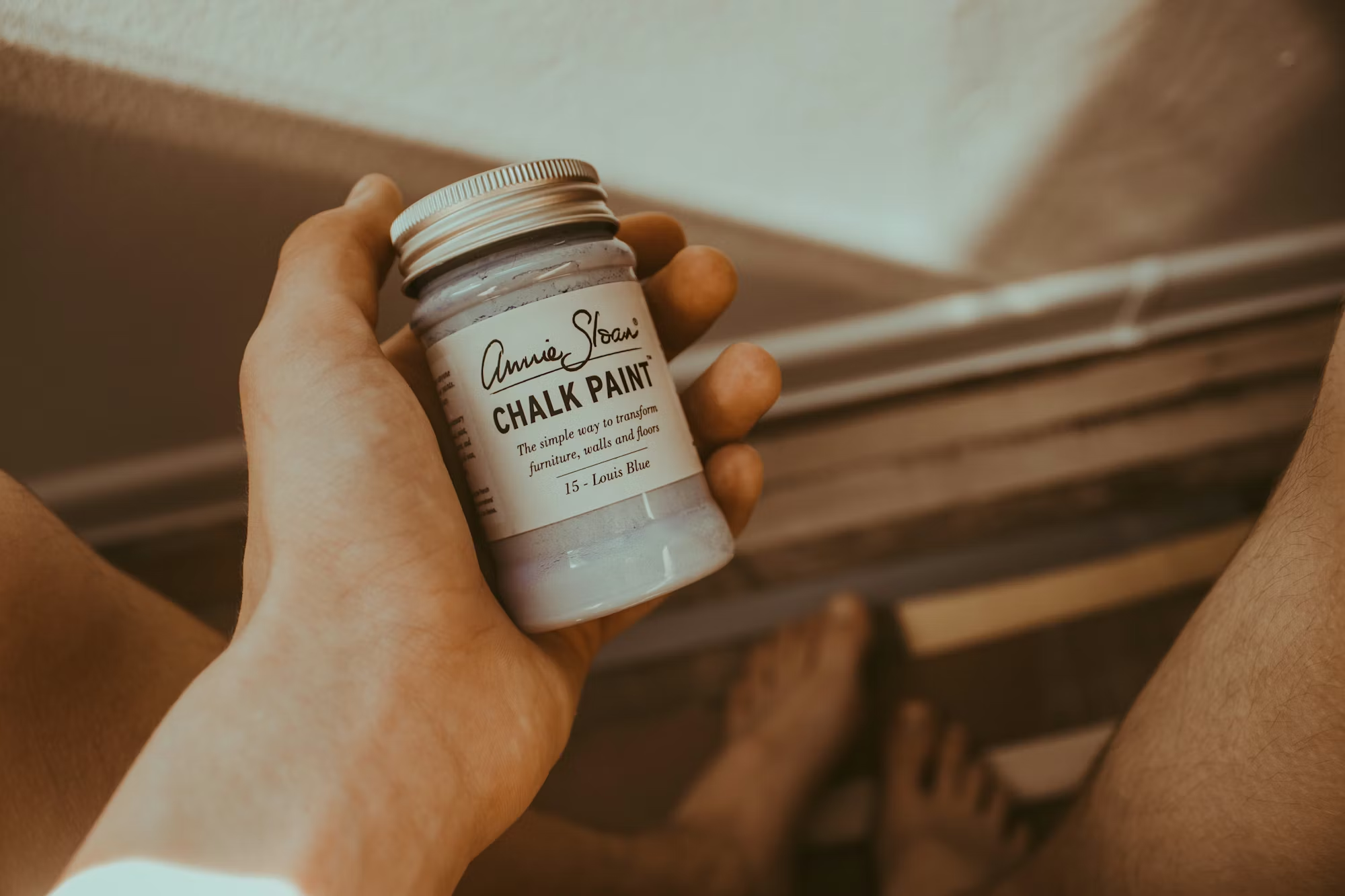
2. Soft Pastels: Light pinks, blues, and yellows add a delicate touch, perfect for shabby chic or cottage styles. Pastels can be incorporated through textiles, wall paint, or accessories.
3. Bold Accents: Don’t shy away from vibrant hues! A bright accent wall or bold artwork can add energy to a vintage space, creating a lively contrast with softer vintage pieces.
When selecting colors, consider how they interact with your existing furniture and decor. Test paint samples in natural light to ensure they complement your vintage items and enhance the overall aesthetic.
Furniture Arrangement: Creating Flow and Functionality
Arranging furniture in a vintage-inspired space requires attention to both flow and functionality. Vintage pieces can vary in size and scale, so it’s essential to consider their placement within the room. Here are some tips for effective furniture arrangement:
1. Define Zones: Create distinct areas for different activities, such as lounging, dining, or working. Use vintage rugs to delineate these zones and provide visual interest.
2. Prioritize Functionality: Ensure that furniture placement promotes ease of movement. Avoid blocking pathways and create open spaces for traffic flow.
3. Mix Heights: Incorporate furniture of varying heights to create visual interest. For example, pair a low-profile vintage sofa with tall shelves or a statement light fixture to add dimension to the room.
4. Use Accessories Thoughtfully: Once your furniture is arranged, incorporate vintage accessories such as vases, books, and artwork to add character. Choose items that complement your color scheme and enhance the overall design.
Incorporating Vintage Decor: Accessories and Finishing Touches
Accessories are the finishing touches that bring a vintage-inspired room to life. When selecting decor, consider items that resonate with your chosen style and evoke a sense of nostalgia. Here are some ideas for incorporating vintage decor:
1. Artwork: Vintage artwork or prints can add personality to walls. Look for framed botanical prints, retro posters, or antique paintings that reflect your style.
2. Textiles: Vintage fabrics, such as quilts or embroidered cushions, can add warmth and comfort to your space. Layering textiles can create a cozy atmosphere while enhancing the vintage vibe.
3. Lighting: Vintage lighting fixtures can serve as statement pieces. Consider chandeliers, pendant lights, or table lamps that reflect your chosen style, adding both functionality and character to the room.
4. Unique Finds: Incorporate quirky vintage items, such as an old globe, vintage clocks, or eclectic knick-knacks, to add charm and provoke conversation.
Maintenance and Care for Vintage Pieces
Caring for vintage items is essential to preserve their beauty and longevity. Each piece may have unique maintenance requirements based on its material and age. Here are some general care tips:
1. Regular Cleaning: Dust vintage items regularly using soft cloths or brushes to prevent buildup. For delicate fabrics, consider gentle vacuuming or professional cleaning.
2. Protect Finishes: Use coasters and placemats to protect surfaces from scratches and stains. Consider applying protective finishes to wooden pieces to maintain their luster.
3. Avoid Direct Sunlight: Prolonged exposure to sunlight can fade colors and damage materials. Arrange furniture and decor to minimize direct sunlight, or use UV-filtering window treatments.
4. Professional Restoration: If a vintage piece requires significant repair, seek professional restoration services to ensure the work is done correctly and maintains the item’s integrity.
Conclusion: The Timeless Appeal of Vintage Interiors
Incorporating vintage elements into modern design creates a unique and inviting home that tells a story. By selecting cherished pieces, mixing styles thoughtfully, and paying attention to color and arrangement, homeowners can embrace the charm of vintage interiors while creating a cohesive aesthetic. Vintage decor offers a timeless appeal, allowing individuals to connect with the past while enjoying the comfort of the present. As you embark on your vintage design journey, remember that each piece holds a memory and contributes to the rich tapestry of your home, making it truly one-of-a-kind.