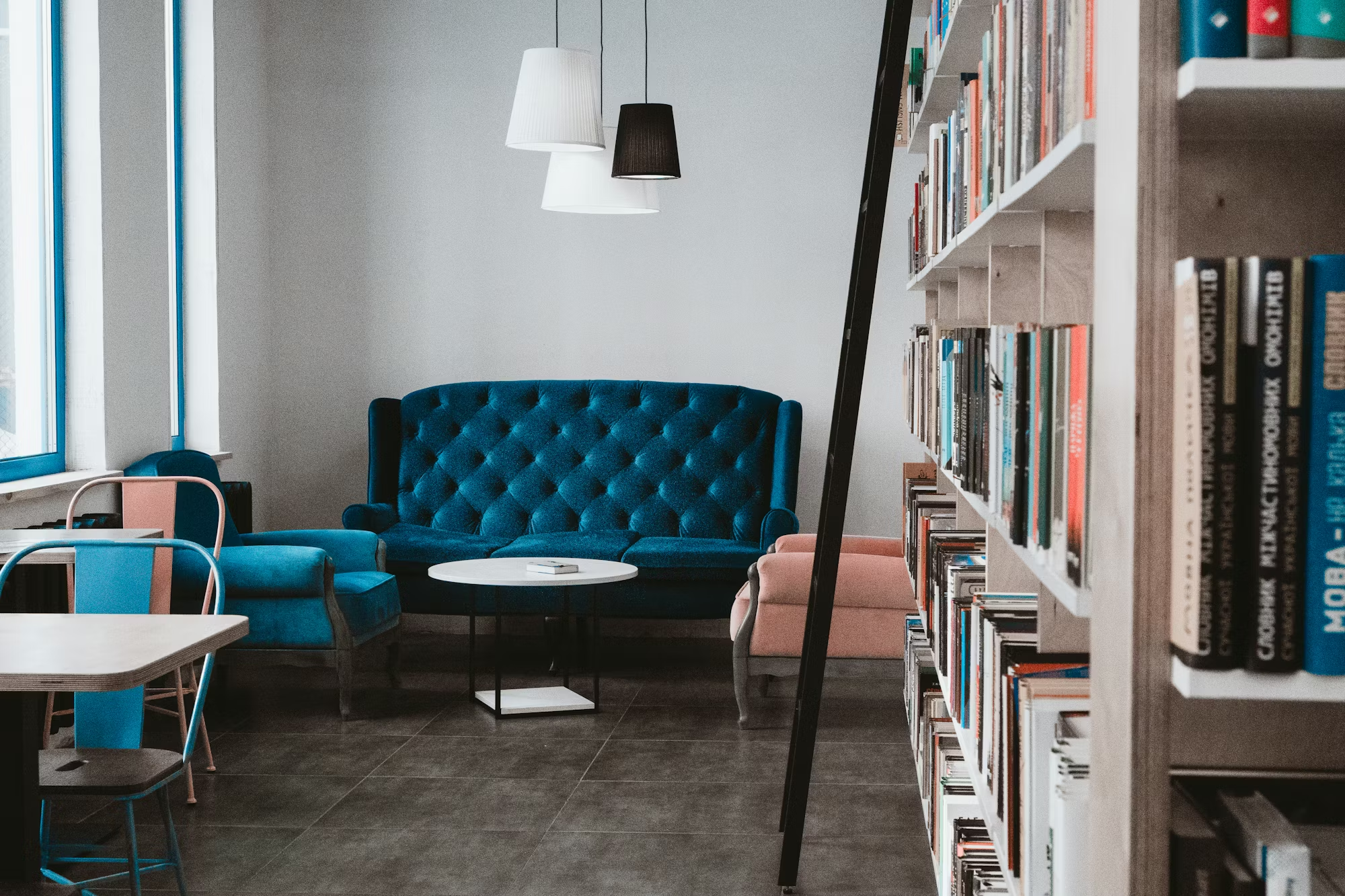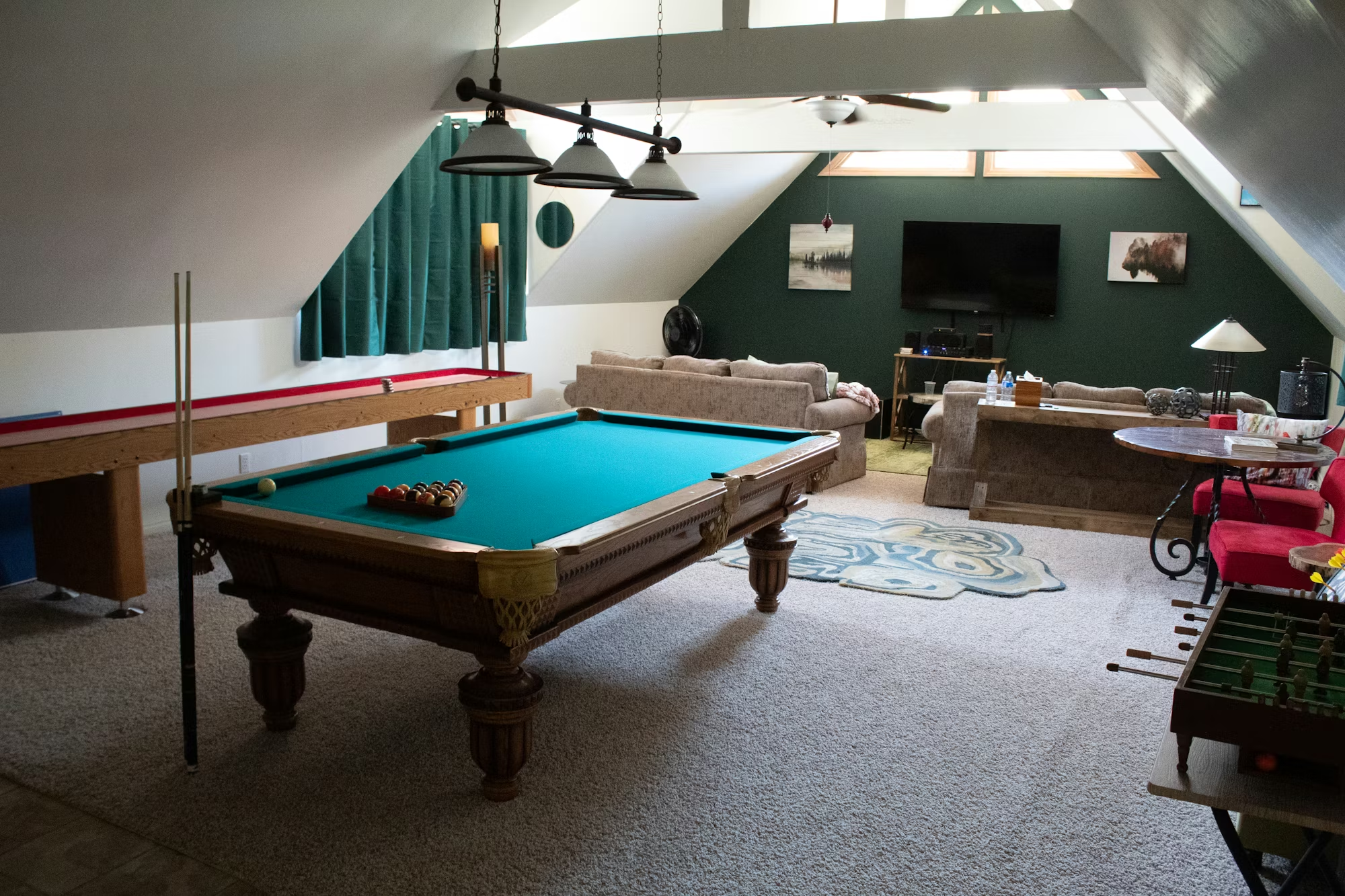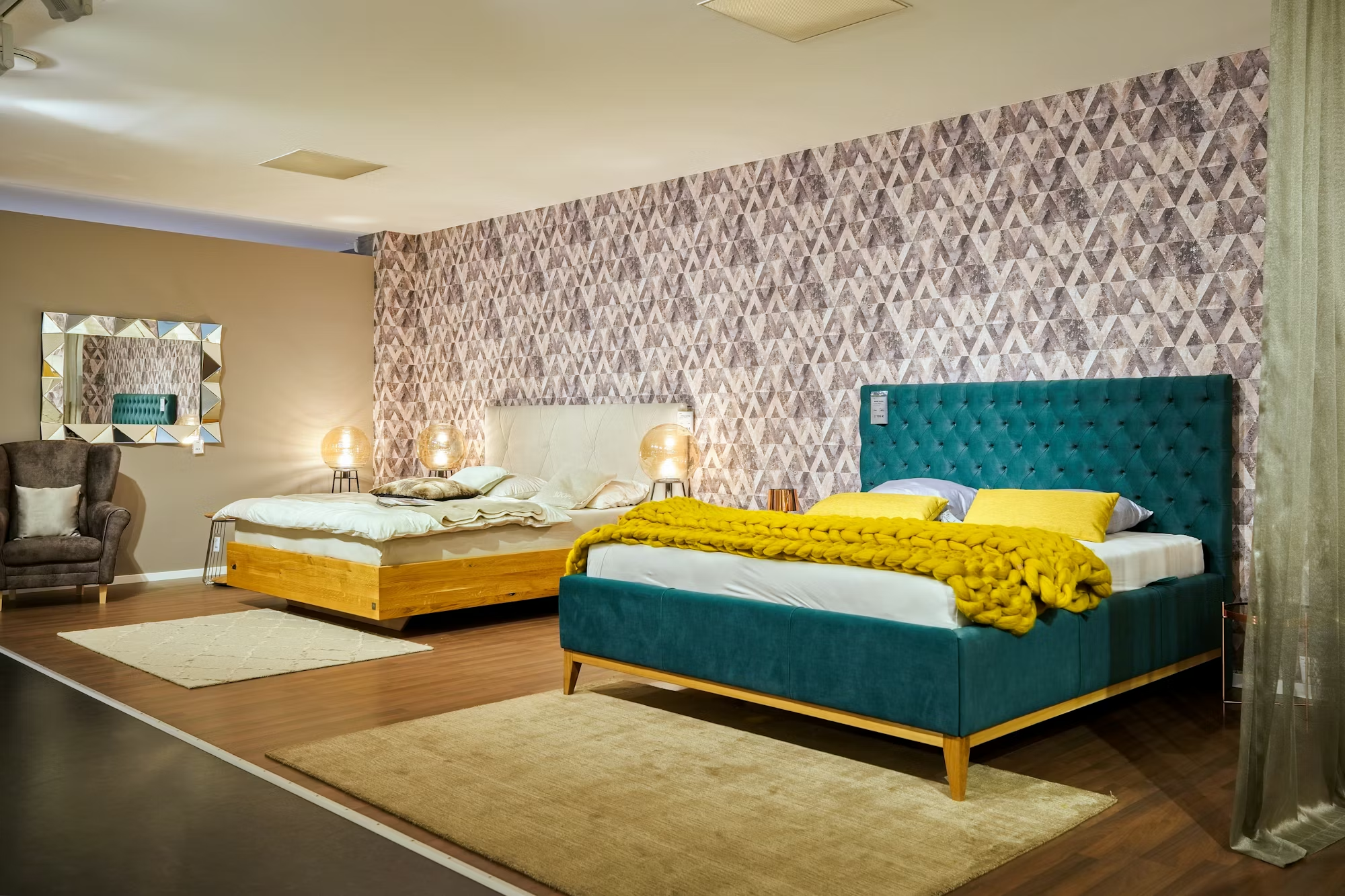
Creating a stylish and inviting home environment is an art that involves thoughtful planning and attention to detail. Interior design is not just about aesthetics; it’s also about functionality and how a space makes you feel. This article will delve into effective strategies for enhancing your home’s aesthetic through color schemes, furniture selection, and personal touches that resonate with your unique style.
The Power of Color
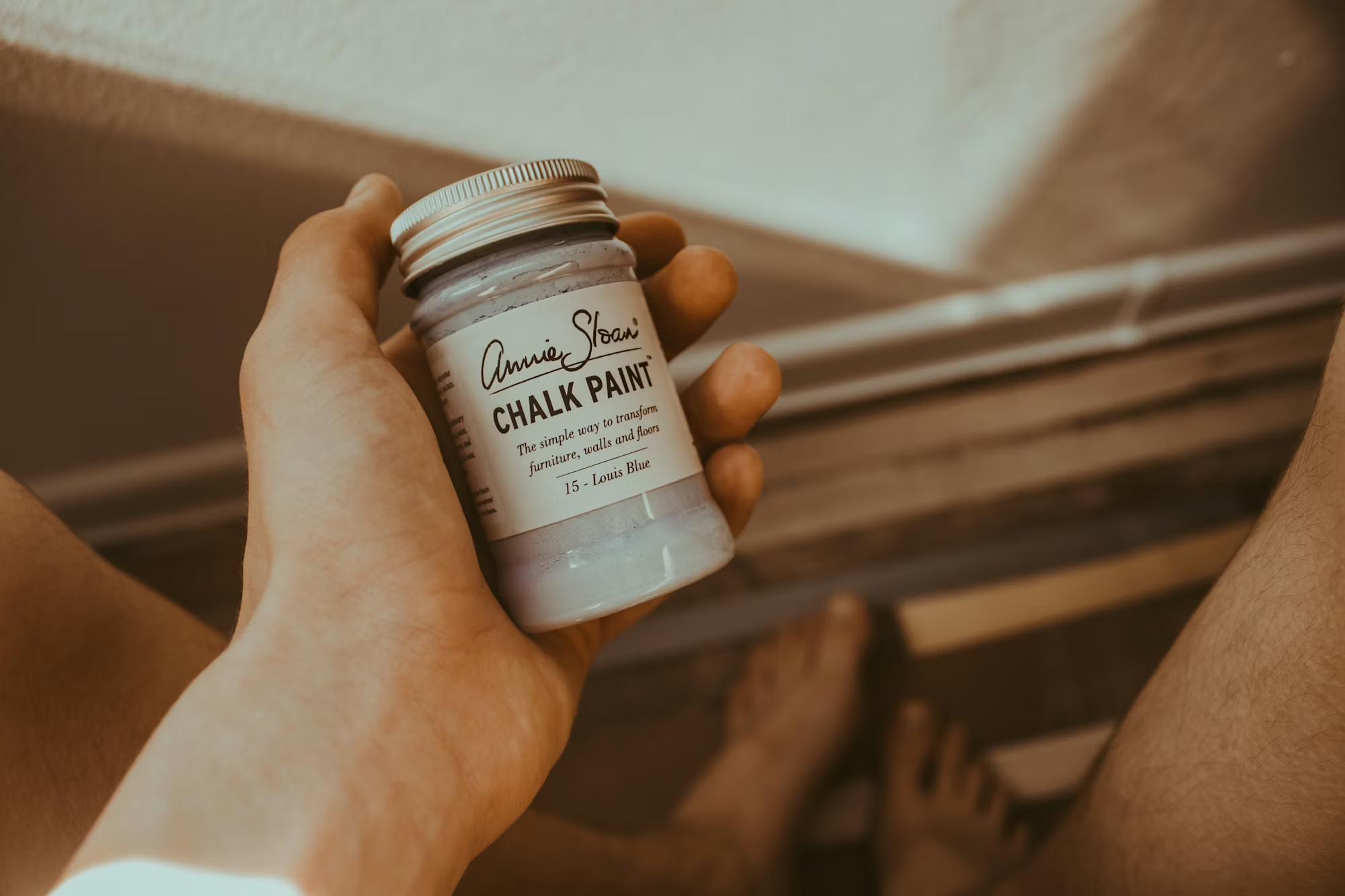
Color is one of the most impactful elements of interior design. It sets the mood of a space and influences how you feel within it. Choosing the right color palette can transform your home from ordinary to extraordinary. Start by selecting a base color for your walls; neutral tones like soft whites, beiges, or grays can create a calming backdrop that allows other elements to shine.
Once you have your base color, consider accent colors that complement it. For instance, if you choose a light gray for your walls, adding navy blue or mustard yellow accents through pillows, rugs, or artwork can create a striking visual contrast. Use the 60-30-10 rule: 60% of the room should be the dominant color (walls), 30% a secondary color (furniture or large decor), and 10% an accent color (accessories).
Choosing the Right Furniture
Furniture selection plays a crucial role in defining the aesthetic of your home. When choosing pieces, consider both style and comfort. Opt for furniture that reflects your personal taste, whether it’s modern, rustic, or eclectic. To create a cohesive look, stick to a consistent design theme throughout your home.
Scale is also important; choose furniture that fits the size of your space. In smaller areas, consider multifunctional pieces, such as a sofa bed or an ottoman with storage. For larger rooms, you might experiment with statement pieces that draw the eye, like a grand dining table or a plush sectional sofa. Arrangement is key—create conversational areas by grouping furniture together, which not only enhances functionality but also fosters intimacy in your living spaces.
Lighting Matters
Lighting is another critical element of interior design that can dramatically affect the atmosphere of a room. A well-lit space feels welcoming and warm. Utilize a mix of lighting sources, including ambient, task, and accent lighting to create depth and dimension.
For ambient lighting, consider overhead fixtures like chandeliers or ceiling lights. Task lighting, such as table lamps or reading lights, provides practical illumination for specific activities. Accent lighting can highlight artwork or architectural features, adding visual interest. Additionally, consider the use of natural light; sheer curtains can allow sunlight to filter through while maintaining privacy.
Incorporating Textures
Adding texture to your space can make it feel more dynamic and inviting. A mix of textures engages the senses and creates visual interest. Layer different materials, such as soft textiles, sleek metals, and warm woods, to create a balanced aesthetic.
Start with textiles like rugs, curtains, and cushions that provide comfort and warmth. Consider using a plush area rug to anchor a seating area, while curtains can add softness to windows. Incorporate various fabrics, such as linen, velvet, and cotton, to enhance the tactile experience of your space.
In addition to textiles, consider adding textured elements like woven baskets, ceramic vases, or wooden decor. These pieces can break up the monotony of flat surfaces and add character to your home.
Personal Touches and Decor
To truly make a space feel like home, infuse it with personal touches that reflect your personality and interests. Artwork, photographs, and travel souvenirs can tell your story and create a warm, inviting atmosphere. Consider creating a gallery wall to showcase your favorite pieces; this not only adds visual interest but also serves as a great conversation starter.
Additionally, don’t overlook the power of plants. Incorporating greenery into your home not only enhances aesthetics but also improves air quality. Choose low-maintenance indoor plants like succulents or snake plants if you’re new to gardening. Larger plants, such as fiddle leaf figs or rubber plants, can serve as stunning focal points in living areas.
Creating a Cohesive Flow
To ensure your home feels cohesive, maintain a consistent style throughout your space. This doesn’t mean every room must match, but there should be a sense of flow that connects each area. Use similar colors, materials, or design elements across rooms to create a unified look.
For instance, if you choose a certain color scheme in the living room, consider incorporating those colors in the adjoining dining area. Additionally, carrying through similar furniture styles or decorative elements can create harmony in your design.
Embracing Trends Wisely
While it can be tempting to follow every design trend, it’s essential to choose those that resonate with your personal style. Trends come and go, but your home should be a reflection of who you are. Incorporate trendy elements in small doses—perhaps through accessories or accent pieces—while maintaining a timeless foundation that won’t feel dated in a few years.
For example, if you love the current trend of bold colors, consider adding vibrant throw pillows or artwork instead of repainting an entire room. This allows you to embrace trends without overwhelming your space or committing to drastic changes.
Sustainability in Design
As we become more conscious of our environmental impact, sustainable design practices are gaining popularity. Consider sourcing furniture and decor from eco-friendly materials, such as reclaimed wood or recycled metal. Additionally, support local artisans and small businesses, which can contribute to a more sustainable economy.
Incorporating energy-efficient lighting and appliances can also reduce your carbon footprint while enhancing your home’s functionality. Choosing sustainable materials not only benefits the environment but can also add a unique character to your home.
Final Thoughts
Elevating your home aesthetic involves a blend of thoughtful design, personal expression, and attention to detail. By selecting the right color palette, furniture, and decor, you can create a space that is not only stylish but also reflects your unique personality. Embrace the art of interior design as a journey, experimenting with various elements until you find what resonates with you. Ultimately, your home should be a sanctuary that fosters comfort, creativity, and joy, making every moment spent within its walls a pleasure.